All Categories
Featured
Table of Contents
Comprehending the Modern Design of 2026 Credit Reports
Reading a credit report in 2026 includes navigating a more complicated variety of information than previous generations encountered. While the three-digit score remains a quick recommendation point, the underlying information offer the genuine story of financial health. Most reports are now divided into unique sections that track everything from traditional loan payments to alternative data like recurring subscription services and rental history. For citizens in the local area, keeping a close eye on these information is the main defense versus identity theft and clerical mistakes.The recognition area stays the first obstacle. It includes names, addresses, and employment history. In 2026, it prevails to see multiple variations of a name or past addresses from throughout the region. Discrepancies here are often the first sign of merged files or deceitful activity. Beyond fundamental ID, the report lists tradelines, which are the individual accounts held with financial institutions. Each tradeline displays the date opened, the credit limit or loan quantity, the existing balance, and a 2026 payment status.
Consumer Rights and Monitoring in Your Region
Federal defenses have broadened to fulfill the requirements of a digital-first economy. Every customer in the United States keeps the right to contest any information that is not accurate, total, or verifiable. Under updated policies, credit bureaus need to examine these claims within a particular window, generally thirty days. Interest in Financial Planning has actually grown as data security becomes a leading concern for those monitoring these files.Monitoring is no longer a passive activity performed once a year. In 2026, weekly access to reports has actually become the requirement for preserving a precise profile. This frequency enables people to capture unapproved inquiries-- demands made by lenders to view a file-- before they result in deceitful accounts. High varieties of "tough" queries can decrease a rating, while "soft" inquiries, such as those used for pre-approved deals, do not impact the total. Nonprofit Financial Education Programs offers the necessary oversight for those seeking to enhance their standing before obtaining major loans.
Determining and Challenging Inaccuracies
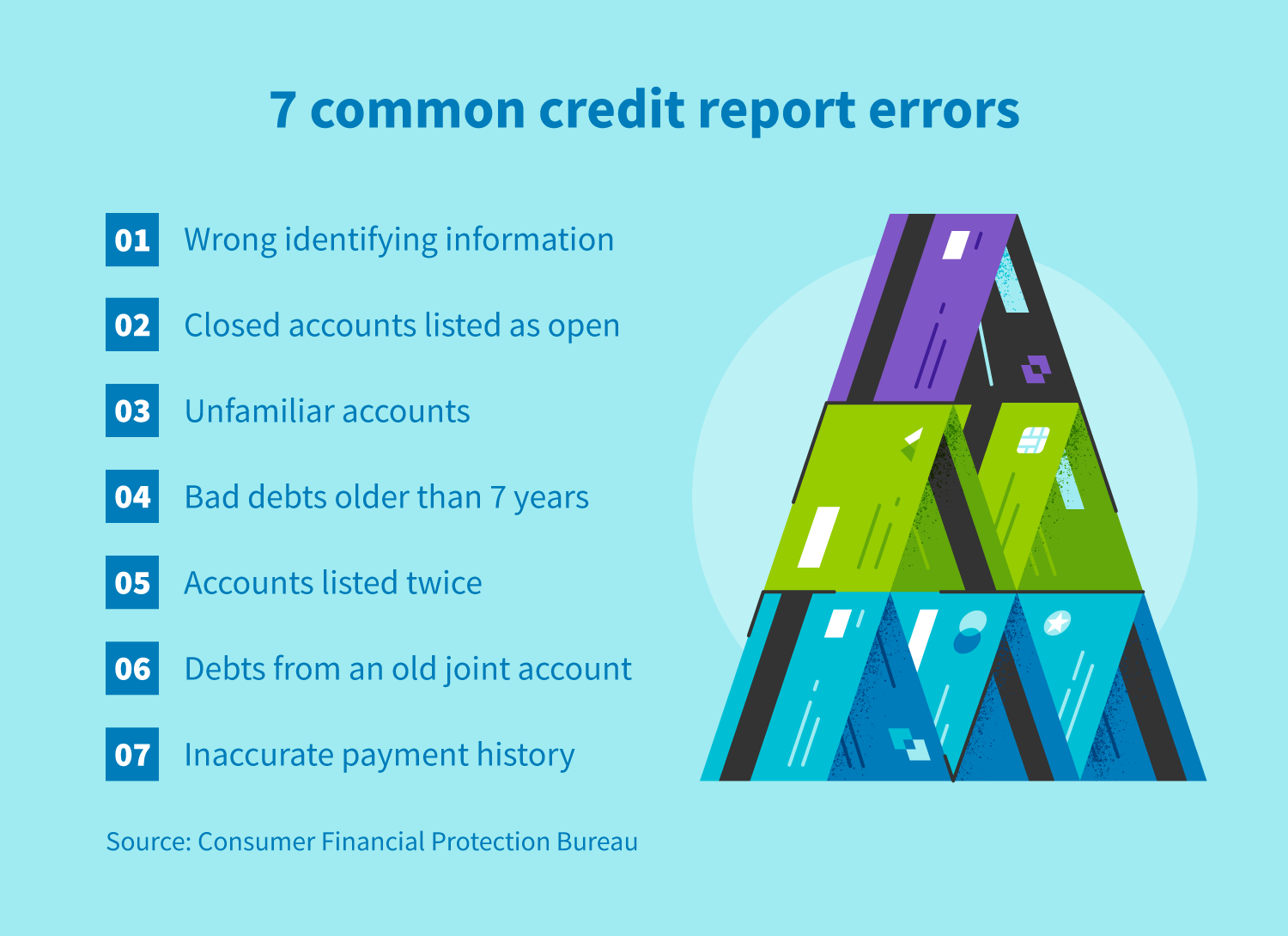
Errors on a credit report can range from a misspelled street name in your neighborhood to a paid-off debt appearing as unpaid. When an error is found, the disagreement procedure need to be initiated with both the credit bureau and the particular lender that provided the details. Keeping records of all correspondence is a requirement for an effective resolution. Documents such as bank statements from earlier in 2026 or "paid in full" letters serves as evidence during these investigations.The effect of a single mistake is considerable. A late payment reported in error can drop a score by lots of points, potentially resulting in higher insurance premiums or declined rental applications. Residents typically look for Financial Planning near Lincoln when they come across persistent errors on their monthly declarations that the bureaus stop working to fix.
The Role of Nonprofit Credit Counseling in 2026
For those struggling with the contents of their report, Department of Justice-approved 501(c)(3) not-for-profit companies provide a path towards stability. These organizations provide free credit counseling and HUD-approved housing counseling. They operate across the country, making sure that people in any given area have access to professional assistance without the high charges connected with for-profit repair work companies.One of the most efficient tools offered by these nonprofits is the debt management program. This program combines various month-to-month obligations into a single payment. Agencies negotiate with creditors to minimize rate of interest, which assists the individual pay for the primary balance faster. This methodical approach appears on a 2026 credit report as a series of on-time payments, which is the most prominent factor in a credit report.
Financial Literacy and Financial Obligation Management
A credit report is a reflection of past habits, but financial literacy education helps shape future results. Many community groups and banks partner with nonprofits to supply workshops on budgeting and debt decrease. These programs are customized to the particular economic conditions of the surrounding area, assisting customers understand how to manage inflation and moving interest rates.Pre-bankruptcy counseling and pre-discharge debtor education are also mandatory steps for those required to seek legal debt relief. These sessions guarantee that individuals comprehend the long-term effects of personal bankruptcy on their credit report and learn the abilities needed to rebuild after the process is completed. By focusing on education rather than just fast fixes, these agencies help produce enduring monetary stability.
Preserving Long-Term Credit Health
Accomplishing a high credit report in 2026 needs a mix of discipline and routine maintenance. Utilizing less than 30% of offered credit limitations, a principle called credit utilization, remains an essential strategy. If a credit card in the local market has a limitation of $5,000, keeping the balance listed below $1,500 is usually encouraged. Additionally, the age of accounts matters; keeping older accounts open, even if they are not used regularly, helps increase the average length of credit history.Strategic credit structure also includes diversifying the types of accounts on a report. A healthy mix might include a home mortgage, an auto loan, and a couple of revolving credit cards. In 2026, some bureaus likewise consider "increase" information, where customers opt-in to consist of energy and phone payments in their score estimation. This is especially valuable for more youthful individuals or those in diverse communities who are simply starting to establish their monetary footprint.Regularly decoding the information of a credit report ensures that a consumer is never surprised by a loan denial. By comprehending the data, exercising legal rights to precision, and utilizing not-for-profit resources when debt becomes uncontrollable, individuals can maintain control over their monetary track records throughout 2026 and beyond.

Latest Posts
The True Cost of Financial Obligation Settlement in 2026
New Credit Reporting Laws: What Local Locals Need
Why Traditional Financial Suggestions Fails in the 2026 Market